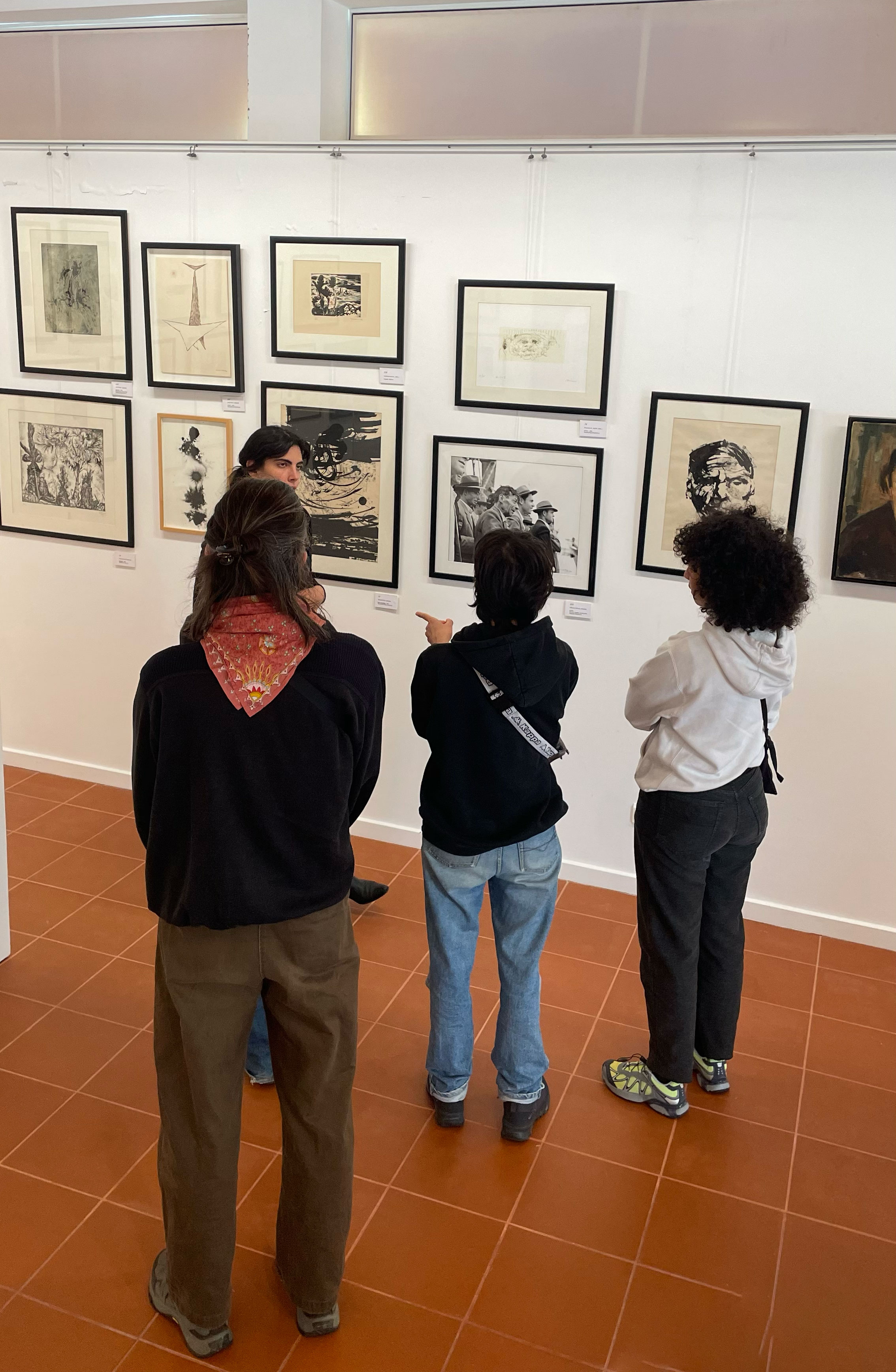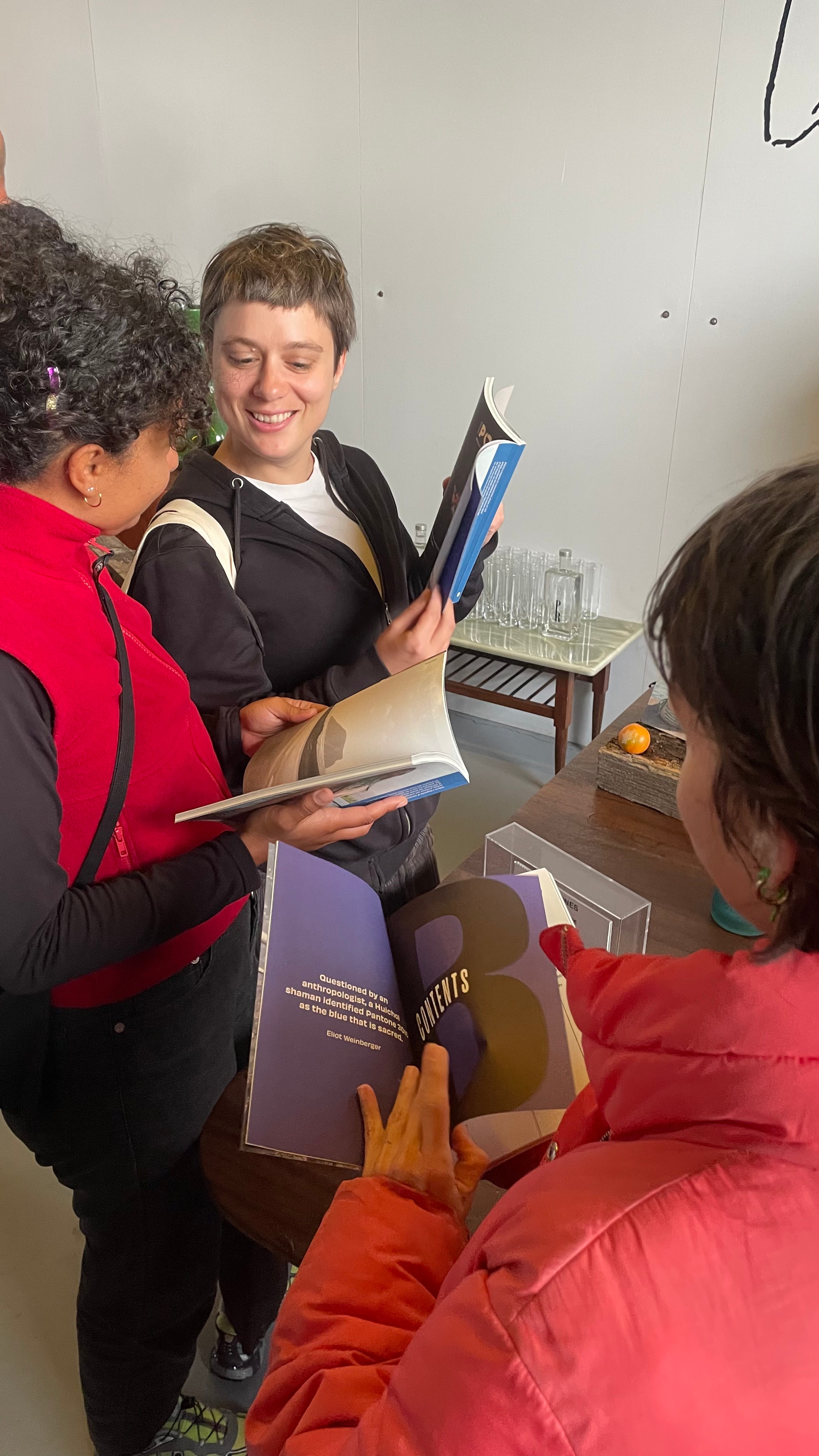
Initiated by DDA Contemporary Art and supported by the European Union, this research trip brings together artists and researchers to meet peers abroad, share practices, and open up transregional exchanges.
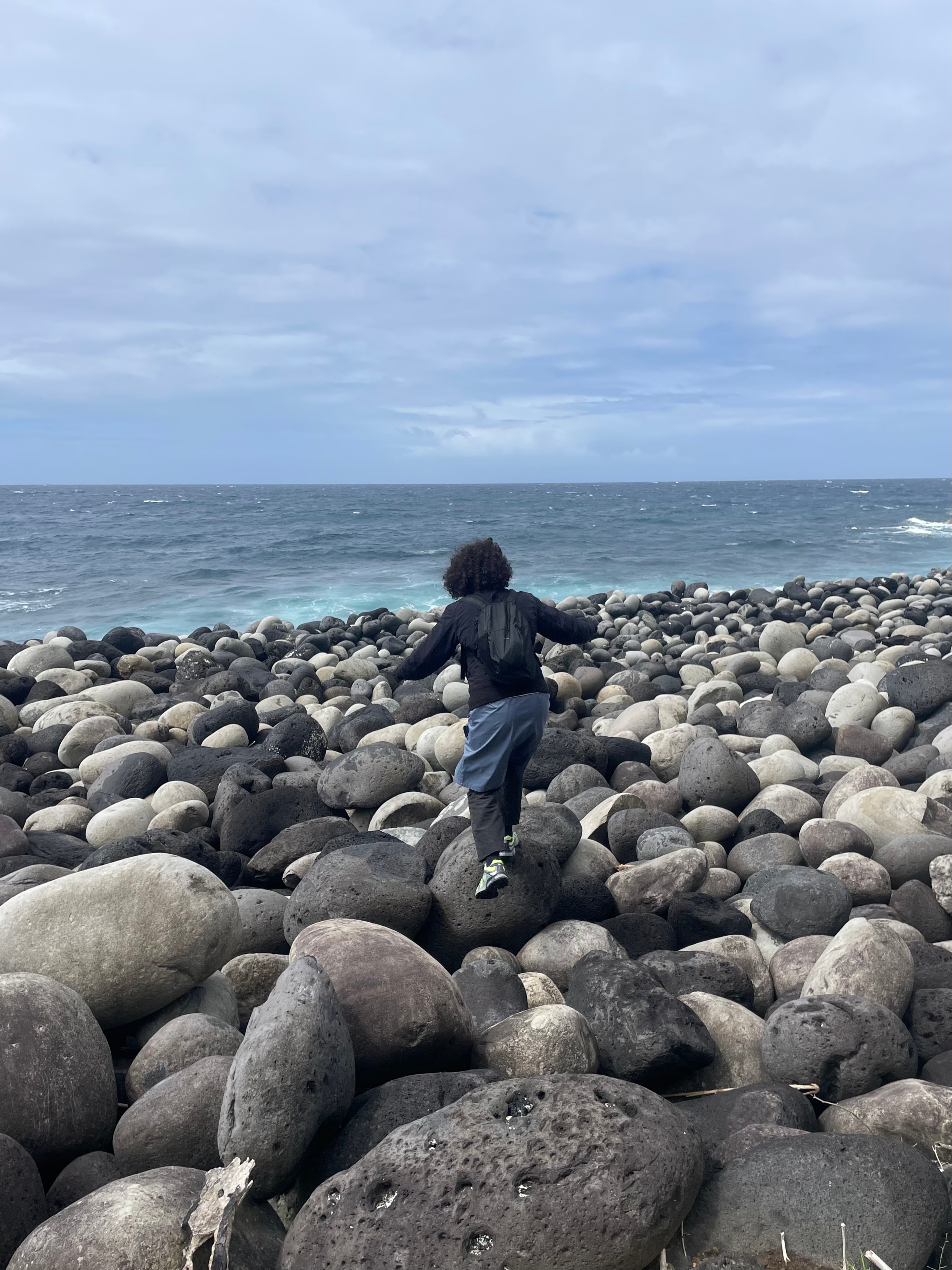
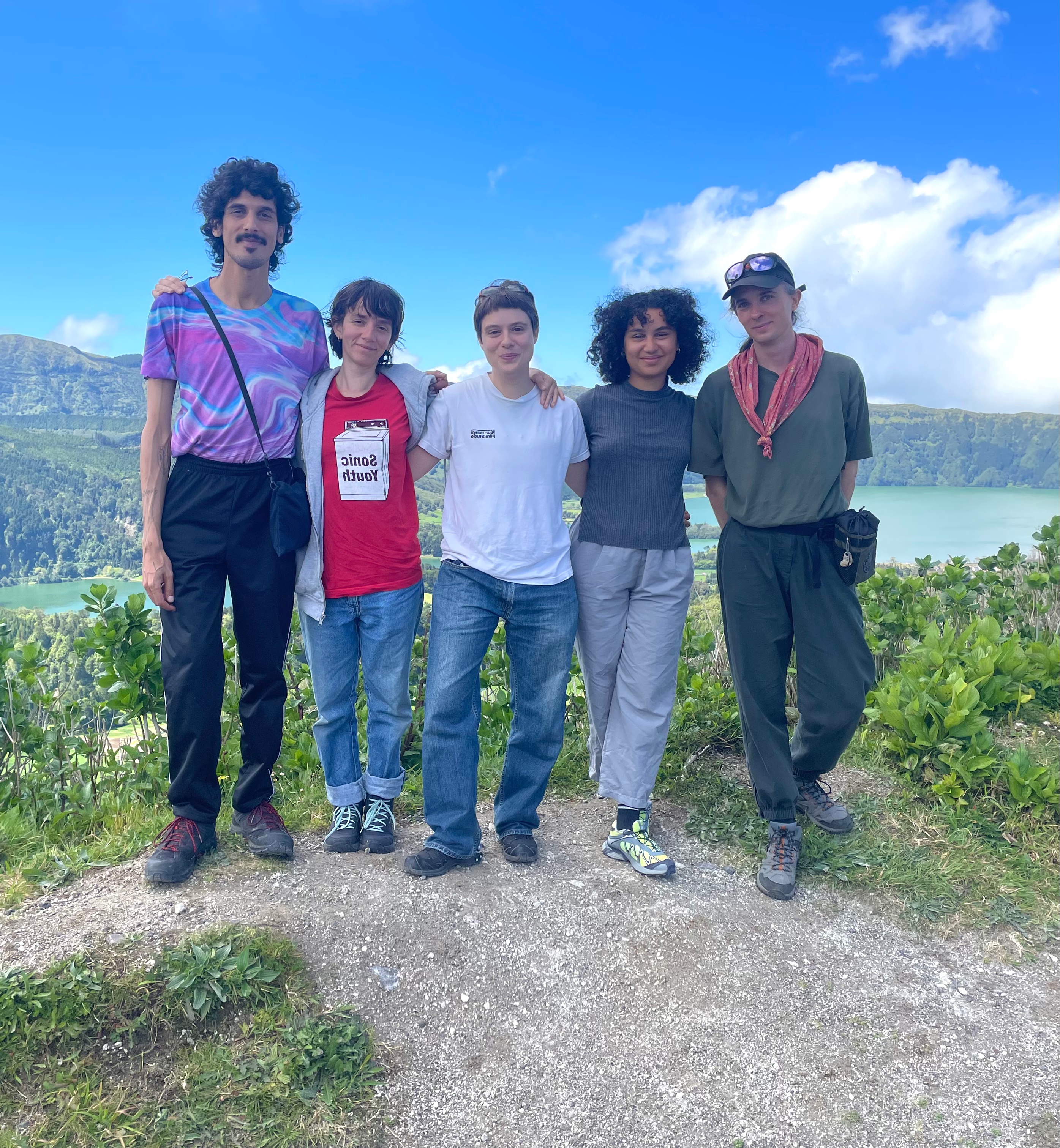
The group includes Ava Naba (card reader & painter), Marion Ellena (photographer, sound & film artist), Clovis Deschamps Prince (visual artist & ceramicist), Doris Duhennois (researcher & filmmaker), and Cleo Verstrepen (researcher & curator, coordinating the trip). Hosted by Anda&Fala, they stayed at VAGA in Ponta Delgada, on São Miguel island in the Azores — a volcanic island on the North Atlantic tectonic boundary, where unique geological, climatic and oceanic conditions intersect with histories of human settlement, agriculture, and trade/extraction.
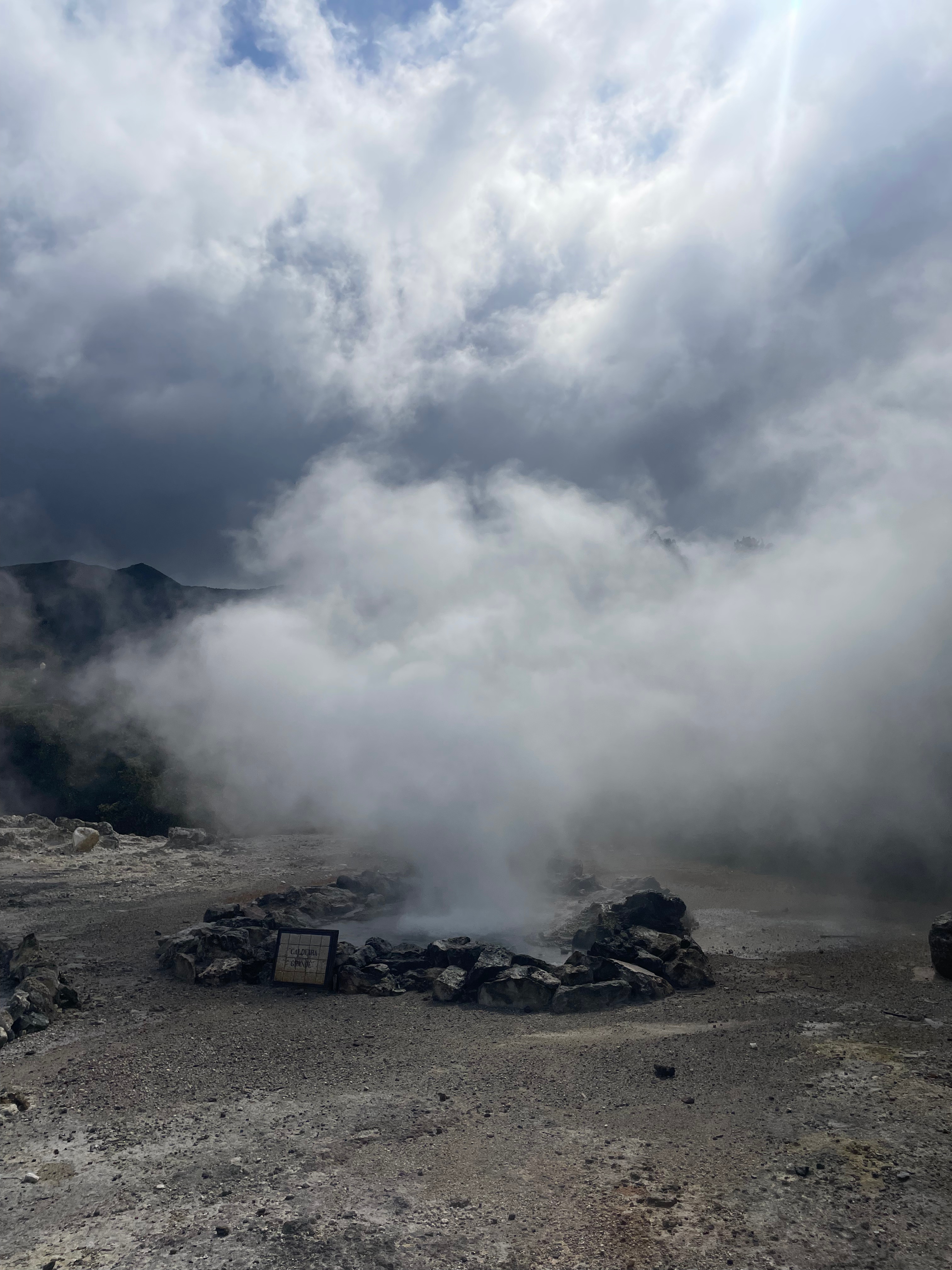
From this context, the group’s research moves through the circulation of plants, from colonial trade routes to contemporary environmental challenges – native forests, invasive species, tea plantations, botanical gardens – alongside the island’s volcanic topography, both above and below ground: lava caves, calderas, geothermal waters and hidden layers. Through walks, conversations, and encounters, they gathered materials that will feed into future works and ongoing lines of inquiry.
Initié par DDA Contemporary Art et soutenu par l’Union européenne, ce voyage de recherche réunit des artistes et des chercheur·euses afin de rencontrer des pairs à l’étranger, partager leurs pratiques et ouvrir des échanges transrégionaux.
Le groupe est composé de Ava Naba (cartomancie et peinture), Marion Ellena (photographie, son et film), Clovis Deschamps Prince (arts visuels et céramique), Doris Duhennois (recherche et film), ainsi que Cleo Verstrepen (recherche et curation), qui assure la coordination du voyage. Accueilli·es par Anda&Fala, iels ont séjourné à VAGA, à Ponta Delgada, sur l’île de São Miguel aux Açores — une île volcanique située à la limite tectonique de l’Atlantique Nord, où des conditions géologiques, climatiques et océaniques singulières se croisent avec des histoires d’installation humaine, d’agriculture, de commerce et d’extraction.
À partir de ce contexte, la recherche du groupe explore la circulation des plantes, des routes commerciales coloniales aux enjeux environnementaux contemporains — forêts natives, espèces invasives, plantations de thé, jardins botaniques — en dialogue avec la topographie volcanique de l’île, en surface comme en profondeur : grottes de lave, caldeiras, eaux géothermales et strates invisibles. Au fil de marches, de conversations et de rencontres, iels ont rassemblé des matériaux qui viendront nourrir des œuvres à venir ainsi que des pistes de recherche en cours.